
Handling Questions After a Presentation in English
A four-move pattern for the question session after a talk, with exact lines for an unclear, hostile or unanswerable question, and a rehearsal that makes how to do a presentation in english finish as well as it started.

On this page
The slides went well. Then the chair opened the floor, and within ninety seconds the presenter who had been fluent for twelve minutes was answering a question about headcount with one word, then a shrug.
Most preparation goes into the talk. The question session happens afterwards, in real time, to whoever is standing near the screen: the wrong way round, because the room decides what it thinks of you in the last five minutes. What you need there is a short set of moves, not a bigger vocabulary.
Why the last five minutes decide the talk
Audiences forgive a flat slide. They remember a presenter who froze. A 2011 guide to question sessions in EMBO Reports makes the point plainly: presenters rehearse a talk until they can recite it, but few practise taking questions, and the session afterwards is often the last impression the room keeps (accessed 9 November 2026). Nothing there demands better English than the talk did. It demands four moves, used in the same order every time.
The four moves of every question
Every exchange has the same four parts. Naming them helps because most presenters prepare only the third.
| Move | The line that does the work | What it buys |
|---|---|---|
| Receive | Thank you, that is a fair challenge. | Two seconds, and a tone you can keep |
| Confirm | So the question is whether the pilot covered the same period. | Thinking time, and a correction if you heard it wrong |
| Answer | Three sentences: direct, support, implication | A length the room can follow |
| Close | Does that answer your question? | The next question, and the end of this one |
Skip the first two and the third one grows: an unclear question, answered immediately, becomes two minutes of explanation that answers something nobody asked.
Confirm the question before you answer it
The most useful sentence in the session is not an answer. It is a restatement: So the question is whether the delay came from the supplier or from our own scheduling.
Restating does three things at once, and the published guidance lists all three: it gives you time to think, it gives the asker a chance to correct you, and it lets the rest of the room hear a question that was probably asked from the back (accessed 9 November 2026).
When you genuinely lose the thread, name the part you lost: I followed the first half. Could you say the last part again, more slowly? The asker usually repeats less than you fear.
One habit prevents most interruptions: say at the start that questions come at the end, which is what the British Council's presentation guidance recommends, and keep to it when a hand goes up in the middle.
Answer in three sentences: direct, support, implication
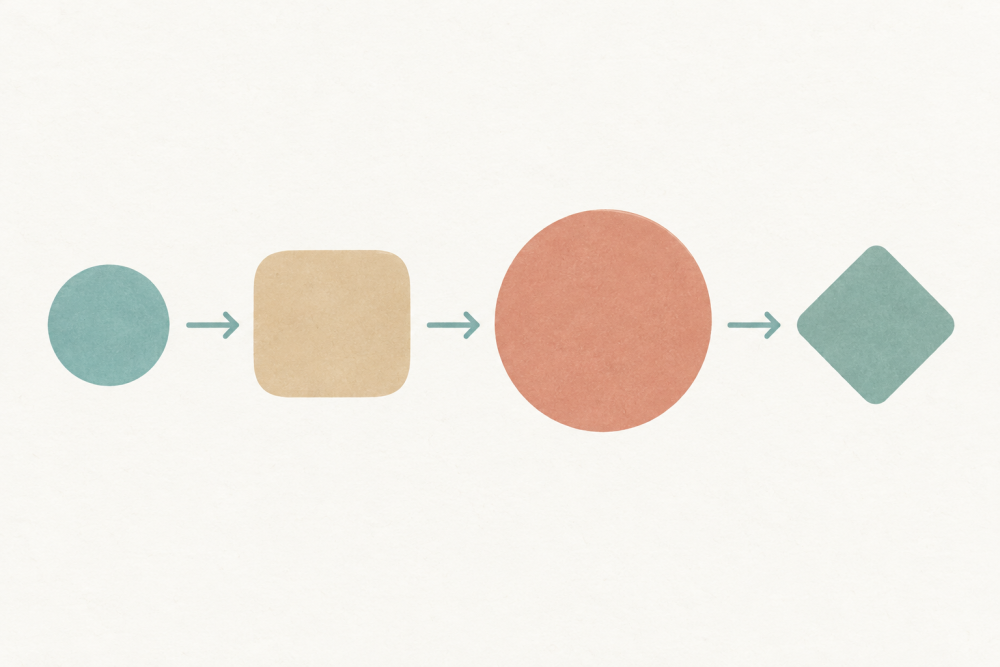
Three sentences, three jobs. The first answers the question, the second carries one piece of support, the third says what it means for the room.
Yes, the second pilot ran four weeks longer than planned. The delay was in the supplier's approval, not in our testing. That means the March date still holds if approval lands this week.
Notice what is missing: history, apology, second example. A yes-or-no question plus a reason and a consequence is a complete answer.
If time is short, keep the third sentence and drop the second. The implication is the only part the room can act on.
Then stop. Three sentences followed by silence feels like a cliff to the speaker and like competence to everyone else. Does that answer your question? closes it without a fourth sentence.
How to do a presentation in English when a question has no answer
Part of how to do a presentation in English is deciding in advance what you will do with the question you cannot answer, because you will get at least one. There are three cases, and they need different wording.
Outside your knowledge. Say so, then say what you can do: I don't know, and I would rather check than guess. I will send you the figure by Friday.
Not yours to disclose. Name the limit without apologising for it: That sits with the client, so I can't share the detail here. What I can tell you is what it means for this plan.
Needs a calculation. Take it out of the room: I don't have that number in front of me. Let me work it through and come back to you tomorrow.
Three rules hold these together. Never guess: the guide cited above says plainly that admitting you do not know is the safer response, and a confident wrong number costs more than a visible gap. Attach a date and a channel to every commitment, or the room hears a polite exit. Keep the promise small: one figure, one email.
A parked question is not a defeat. It is a scheduled one.
Hostile, off-topic and multi-part questions
Hostile. Separate the tone from the content before you answer: That is a fair challenge to the assumption. Then answer in the three-sentence shape and add one limit: The sample was small, so I would not read it as a trend yet. Two sentences of substance and one of scope defuse more hostility than any amount of defending.
Off-topic. Move it out of the room without dismissing it: That is a separate topic and I don't want to give it a rushed answer. Can we take it after the session?
Multi-part. Count the parts out loud: There are three parts there. Let me take the cost question first. Answer one, close it, and ask which part they want next. Answering all three badly is how a two-minute answer becomes a five-minute one.
The move to avoid is scoring a point off the asker: the room remembers the tone, not the argument.
Fifteen stems for the whole session
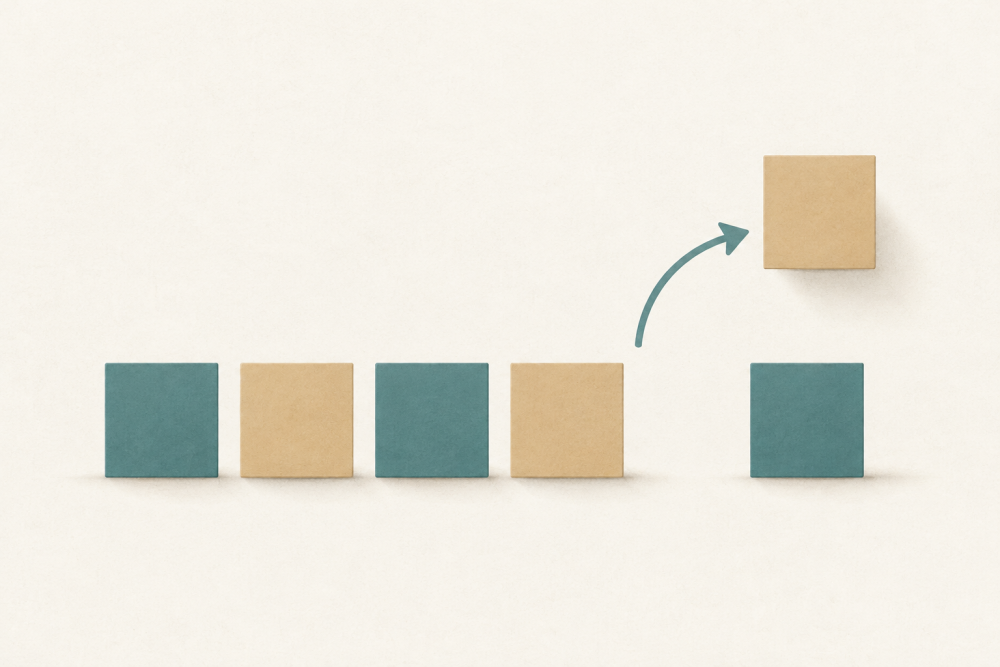
Five groups, three lines each. Learn one group at a time, and say it out loud until the first word is automatic.
Opening the floor.
Thank you all. I have time for about five questions.Who would like to start?The question at the back, then the one on the left.
Confirming what you heard.
If I understand you, you are asking about the second quarter.So the question is whether the cost estimate changed.Let me make sure I have it right.
Buying a few seconds.
That is a good question.Give me a second to think about that one.Can I check one detail before I answer?
Holding a limit.
Let me stop there and take the next question.That is one for after the session.I can answer the first part now and the second by email.
Closing.
Does that answer your question?We have time for one more.That is all the time we have.
Fifteen lines will not make you fluent. They make the next thirty seconds predictable, which is what fluency sounds like from across the room.
Rehearse the questions you fear, out loud
A rehearsal that replays the talk prepares you for the part you have already solved. Give the question session twenty minutes instead.
Write twenty questions the room could ask, in four families: the numbers, the assumptions, the risks, and what happens next. Two families will feel uncomfortable to write, and those are the ones to work on.
Pick the five you least want to hear. Answer each out loud, in three sentences, without notes, and record it on your phone. Listen once, for two things only: whether the first sentence answers the question, and whether you stopped after the third.
Time it. Three sentences at a measured pace take about twenty to thirty seconds, leaving room for a follow-up in the same exchange. If an answer runs past a minute, cut the second sentence.
Then write a card, not a script: five keywords per question, no full sentences. A script gives you something to read; a card gives you something to look up from.
Frequently asked questions
What do I say if I cannot answer a question after my presentation?
Say it in one sentence, then say what happens next: I don't know the answer to that, and I don't want to guess. I will check with the team and send it to you tomorrow. The admission and the commitment, both short. Do not fill the gap with related information you do have: it sounds like evasion.
How do I end a Q&A session in English?
End on time, with a sentence that closes the session rather than the topic: That is all the time we have. Thank you for the questions. If hands are still up, add the route out: If we did not get to yours, I will be here for ten minutes afterwards, and you can email me as well. Then hand the room back: I will hand back to the chair. A session that ends without that hand-back leaves the room unsure whether it is over.