
菜上错之后,怎么用英语点餐补救
菜上错、汤变凉、配菜漏了,真正的考验不是怎么用英语点餐,而是上菜后的三十秒。学会问题、方案、回应三步,餐桌上的失误还能变成一次协商。

目录
盘子落在你面前,整桌安静下来,而这不是你点的菜。你为怎么用英语点餐排练过的词汇,覆盖的是这个时刻平静的版本,而不是之后的三十秒;而这三十秒决定这顿饭能不能挽回。这就是补救。
为什么菜会在你反应前三十秒就上错
两件事会同时失灵。菜单上的词消失了,因为你把它们学成纸页上的名字,而不是能说出口的东西。而且多数学习者只有一句补救话,它指出问题,却把解决办法留给对方猜:Sorry, this isn't what I ordered. 猜错的地方正是用餐出问题的地方,因为只听到错误的服务员,会选对自己最省事、当时仍然可用的做法。
三拍补救:问题、方案、回应
每一次有效的补救都有三步,顺序如下。
| 步骤 | 你说什么 |
|---|---|
| 1. 指出问题 | This is the lamb, but I ordered the chicken. |
| 2. 说出方案 | Could you remake it, or take it off the bill? |
| 3. 接受提议 | That works — I'll wait. Thank you. |
第二步是人们最常跳过的一步,却决定答复来得多快。描述一个错误,会招来道歉;说出一个方案,会招来决定。两个你已经能接受的结果,会把投诉变成协商:服务员不再替厨房辩护,而是开始做选择。
上错菜、主菜凉了、漏了配菜:三段对话
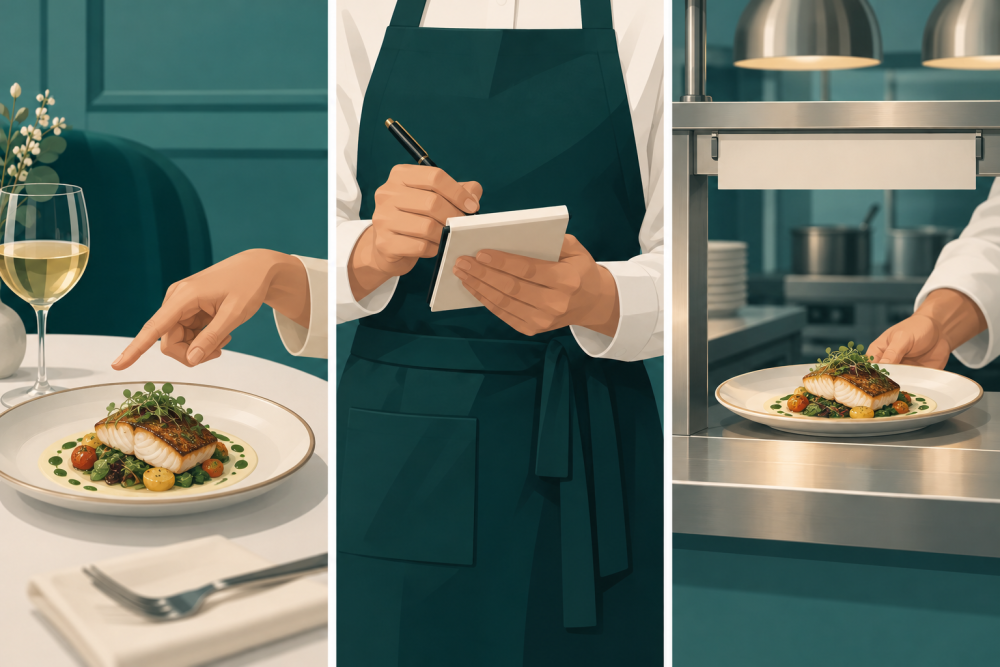
上错菜:两个事实,然后给方案。
Guest: Sorry — this looks like the lamb, but I ordered the chicken.Server: I'm sorry. Let me check the ticket.Guest: Thank you. Could you remake it, or take it off the bill?
凉掉的食物是没人会争辩的错误,所以要抓住时间。
Guest: Sorry to stop you — the soup is cold in the middle. Could you heat it up, or bring a fresh one?Server: Of course. I'll bring a new one out.Guest: Thank you. If it comes back cold, could we take it off the bill?
漏掉配菜是一种缺失,不是错误:直接说出来。
Guest: Hi — the burger came without the fries. Could you bring them, or take it off the bill?Server: Sorry about that. I'll bring them straight out.Guest: Thanks. If it's more than five minutes, the bill is easier.
当补救很慢:先要一个时间,再要一点补偿
两句话能让缓慢的补救不至于吞掉整个晚上。第一句要一个数字,因为数字可以核对:How long will the new one take? 第二句保护整桌人:Could you bring everyone else's food first?
如果时间太长,要在厨房开始做之前说:That's too long for us — could you take it off the bill instead?
要求补偿也是同样的方法:Since the main is being remade, could you take the dessert off the bill? 只问一次,指名一项,接受答复。消费者指南也列出同样的两种补救:重做或降价,并指出当等待太久时,重做并不总是合理(Citizens Advice;ACCC;访问于 2026 年 11 月 2 日)。
找经理,而不把话说成指控
升级要有理由,而不是靠音量:账单仍然不对、同一个问题修了两次还没好、服务员不再回应。请求只有一句,并且把人跟问题分开:Could I speak to the manager, please? It's about the order, not about you.
然后只陈述事实,分五部分:时间、你点了什么、送来了什么、你已经要求过什么,以及你现在想要什么。
账单:核对项目、分开付、决定小费
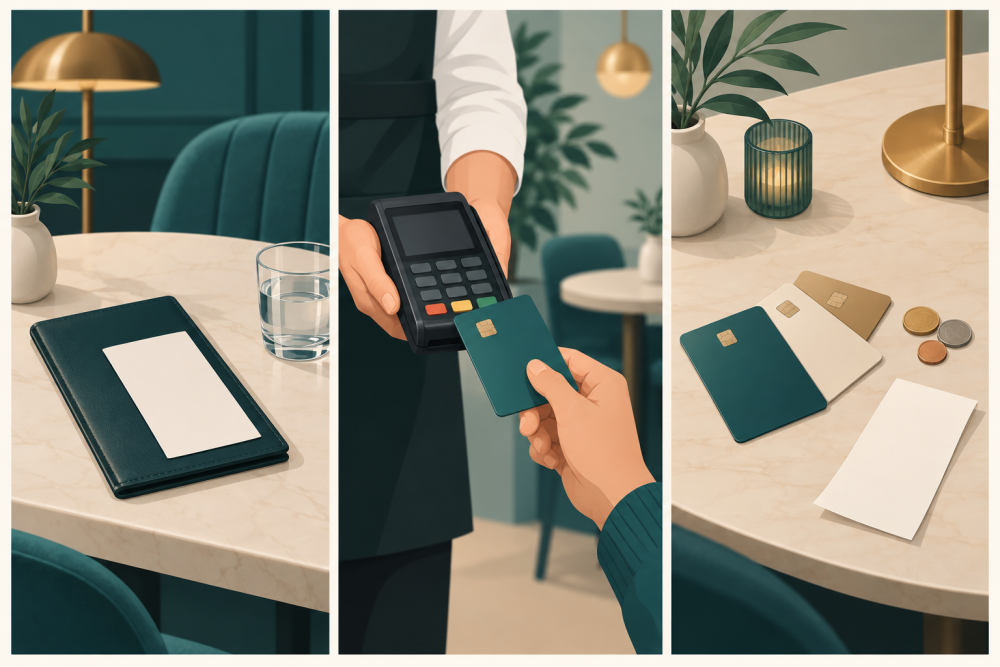
账单出错很常见,而且很少是故意的:隔壁桌的一道菜、重复录入的一杯饮料、没人提过的一项收费。
Guest: Sorry — we didn't order a second bottle of wine. Could you take that line off?Server: Let me check with the bar.Guest: Thank you. Everything else is right.
分开付有两种说法:Could we pay separately? 表示各付各点的;Could we split it three ways? 表示平均分摊。不是每家店都愿意把账单分到多张卡上,所以要早点问。付款时,Do you take card? 就够了。
惯例因地而异。在英国,自 2024 年 10 月 1 日起,小费和服务费必须不扣款地转交给员工(GOV.UK)。在日本,餐厅、酒吧、咖啡馆、出租车和酒店通常不给小费,服务费通常已包含在账单里(JNTO)。在美国,小费是酌情支付、算作员工收入的钱(IRS)。三处均访问于 2026 年 11 月 2 日。先找到服务费。
外卖自取和配送:同样三步,没有餐桌
打电话时,开场白就承担第一步:Hi, I collected an order twenty minutes ago — the bag is missing one of the two mains. 给出订单号,然后说出方案:Could you make it now for collection, or refund that item?
应用会多一步:通常得先在应用里提出请求,餐厅才会行动:One of two mains was missing and the seal was intact. Please refund this item or send a replacement. 拆开袋子前先拍照。
一张口袋卡:八个句子,以及下次怎么用英语点餐更有底气
这八句覆盖整个补救过程。把它们放进笔记,说两遍。
This isn't what I ordered — I asked for the chicken.Could you remake it, or take it off the bill?Sorry, this is cold in the middle.How long will the new one take?Could you bring everyone else's food first?Could I speak to the manager, please?Could we pay separately?Could you take this line off the bill?
用四分钟排练。遮住上面的客人台词,根据情境重建它们:上错菜、主菜凉了、漏了配菜。然后大声扮演服务员回答自己的话,连道歉也要说:你从未练过的那一半,正是你会听到的那一半。最后凭记忆重建这张卡。
常见问题
一整段英语点餐对话听起来是什么样?
从进门到账单,一次完整交流大约有六个回合:安排座位、点餐、一次关于饮料或菜要怎么做好的追问、上菜后的回访、账单,以及付款。其他回合都比学习者以为的短,Just water, please 就是一个完整回答。
怎么请经理过来,又不显得像在投诉?
问的是订单,不是那个人:Could I speak to the manager, please? It's about the order, not about you. 然后按顺序给出五个事实,就停下。经理整晚都在听投诉;一段简短、只讲事实的总结,才是少见且能换来决定的版本。