
雅思口說part 2話題卡:用四個視角把物品題講滿兩分鐘
物品題很快沒話說,問題通常不是單字量,而是缺少能一路推進的框架。本文用四個視角拆解雅思口說part 2話題卡,幫你把一分鐘筆記變成兩分鐘有細節的回答。

目錄
人們和地點很容易講滿兩分鐘,因為其中有些東西會動。物品不會動。題卡寫著 Describe something you own that you use every day,你在一分鐘內寫下四個字,講到第二句又開始描述顏色。
問題不在單字量。問題是物品靜止不動,所以它本身不會提示下一句。下面的框架會把雅思口說part 2話題卡當成一組關係來處理,而不是一份描述清單:這是什麼、怎麼來到你身邊、取代了什麼,以及少了它會有什麼改變。
為什麼物品題比其他題型更快沒話說
人物題給你經歷和習慣。地點題給你穿梭空間的移動感。物品題給你特徵,而特徵大約四十秒就用完了。
時間規則固定:一分鐘準備,最多講兩分鐘,考官可能在兩分鐘時打斷你。你不一定要用到題卡上的每一個提示點,但一定要持續講下去。
所以這個框架必須能產生內容,而不是只整理內容。四個視角,每個至少能講三十秒,就算你說得慢,也足夠撐滿兩分鐘。
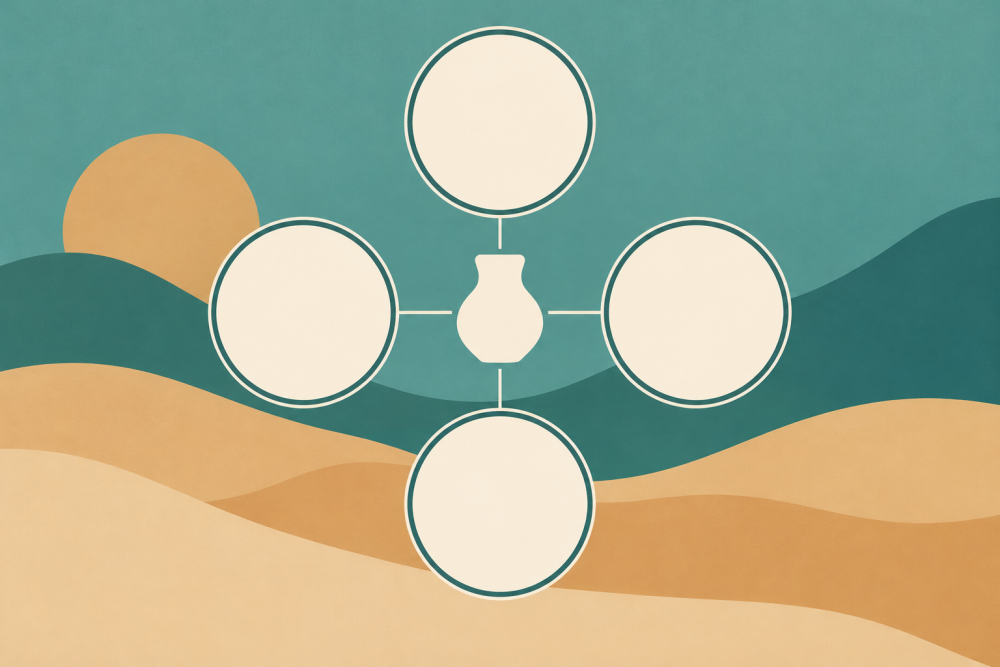
能撐滿兩分鐘的四個視角
視角一:它是什麼、它有什麼作用。不是品牌,不是顏色,而是它在你一天裡負責什麼工作。
視角二:它怎麼來到你身邊。物品都有來歷,而來歷裡有人、有日期,也有小小的決定。
視角三:它取代了什麼。幾乎每件你每天使用的物品,都取代了另一樣東西,而比較正是有趣語言出現的地方。
視角四:少了它會有什麼改變。這個視角會產生反思,而反思正是區分 band 6 和 band 7 回答的關鍵。
It's a cheap electric kettle. It boils water in about ninety seconds. I bought it in my second year because my flat had no kettle at all. Before that I boiled water in a pan, which took four minutes and ruined one pan a year. Without it I'd probably go back to the pan, and I'd drink less tea.
這樣是五十秒。每個視角再加一個細節,就會變成九十秒。
一分鐘筆記頁
六個筆記,不是逐字稿。在題卡上寫:
- 是什麼、用來做什麼
- 它從哪裡來
- 它取代了什麼
- 它的一個小問題
- 你會想改掉什麼
- 一個形容你對它感覺的詞
第四個筆記是多數考生會跳過、卻最能爭取時間的一項。一個問題會生出故事:它壞了、你修了它、你差點把它換掉。
不要寫句子。紙上的句子會變成你朗讀出來的句子,而朗讀聽起來就像朗讀。
十二個能多撐一秒、又不顯得卡住的說法
這些不是為了拖時間而硬塞的填充詞;每一個都在你下一個想法成形時補充資訊。
The reason I bought it was... What I didn't expect was... It's not expensive, but... The odd thing is... I've had it for about... Compared with the old one... If it broke tomorrow... I keep it because... The only problem is... It sounds trivial, but... What I actually use it for is... I'd replace it with the same thing...
選四個就好。兩分鐘的回答裡塞十二個,會變成口頭禪。
附上筆記的完整兩分鐘回答
筆記:kettle / second year / replaced a pan / leaks slightly / would buy the same / oddly fond of it.
回答:The object I'd describe is a kettle, which sounds boring, but it's the thing I use most in the day. It's a cheap electric one that holds about a litre, and it boils in ninety seconds, which matters when you're late. I bought it in my second year of university, from a shop near the station, because the flat I moved into had a hob and no kettle at all. Before that I boiled water in a pan, which took about four minutes and burnt the bottom of one pan a year, so the kettle was really a small upgrade in temper as much as in speed. The odd thing is that it leaks slightly at the base now, so I keep it on a saucer, and I've been meaning to replace it for about a year. If I did replace it, I'd buy the same model, because everything else I've tried is either too slow or too loud in the morning. I wouldn't say I'm attached to it, but I'd notice if it went.
這樣在正常語速下大約是兩分鐘。注意,它的每一段都來自紙上的一則筆記。
三張可以拿來練的物品題卡
Describe something you own that you use every day. Describe something you bought that was more useful than you expected. Describe something you keep even though you rarely use it.
每一張都先填好六個筆記,然後一次看著紙講,一次不看紙講。第二次才是算數的那次,因為考試時沒有那張紙。
常見問題
雅思口說 Part 2 會出現哪些物品?
常見的有:一件衣服、手機或裝置、別人送你的禮物、工作時會用的東西,以及對你來說很貴的購買。它們都適用四個視角,因為它們都是在某個時間來到你身邊、取代了某樣東西,而且都有可能失去。如果題卡指名的類別你從來沒有擁有過,就選最接近的東西,並在第一句說清楚:I don't own a car, but the thing I use most is my bike.
一分鐘內該寫幾則筆記?
六則短筆記,一個視角一則,外加一個問題和一個感受。寫更多會把那一分鐘變成打草稿,還讓你沒時間練開頭句,而開頭句是唯一必須講得流利的部分。如果你寫得快,就用剩下的幾秒鐘在心裡默念第一句,因為多數考生卡住的地方就是開頭。