
TOEIC Speaking Task 11: Expressing an Opinion in 60 Seconds
Task 11 gives you 45 seconds to think and 60 seconds to speak. Here is a four-block template, twelve opening sentences, three timed answers and a recording drill that turn toeic speaking and writing practice tests into a plan for the last minute of the exam.


On this page
What Task 11 asks and how it is scored
Task 11 closes the eleven-question TOEIC Speaking test, and it is the only task that asks you to build an opinion rather than report what you see. The prompt gives a topic, usually a choice between two ways of working or living, and asks for your view and the reasons behind it. ETS directions are specific about the clock: 45 seconds to prepare, then 60 seconds to speak, the longest single turn in the test.
Scoring differs too: questions 1 to 10 are rated 0–3, question 11 is rated 0–5, and the ratings are added and converted to the 0–200 Speaking score. The published guide describes a 5 as a clearly stated opinion, supported in a way that is readily intelligible, sustained and coherent, with reasons, details, arguments or examples, clear relationships between ideas, well-paced speech, and good control of structures and vocabulary. A 3 gives at least one reason but elaborates little, repeats itself, or stays vague.
So the rater is not deciding whether your side is better; the descriptors are about support and delivery, which a fixed plan can protect under pressure.
A four-block template for the 60 seconds
A minute is short enough to lose and long enough to fill badly. Give each part a fixed job and slot, so the only decision left is what to say.
| Block | Clock | Job |
|---|---|---|
| Stance | 0–5 seconds | Your position in one sentence, with no warm-up |
| Reason | 5–20 seconds | One reason, stated as a claim, joined by a cause word |
| Example | 20–45 seconds | One concrete scene: who, where, what happened, what changed |
| Close | 45–60 seconds | The same position in fresh words, then silence |
The example gets the most time because the scoring guide keeps naming it. Here is the template filled in for a question about early shifts.
I would keep the early shift, because the quiet hour is worth more than the extra sleep.
The reason is that my best work happens before anyone else logs on, and the afternoon is mostly meetings.
When a team I worked with moved its writing block to seven, the work that used to spill into the evening was finished before the first call.
So the early start is not discipline for me; it is the cheapest way to protect the work.
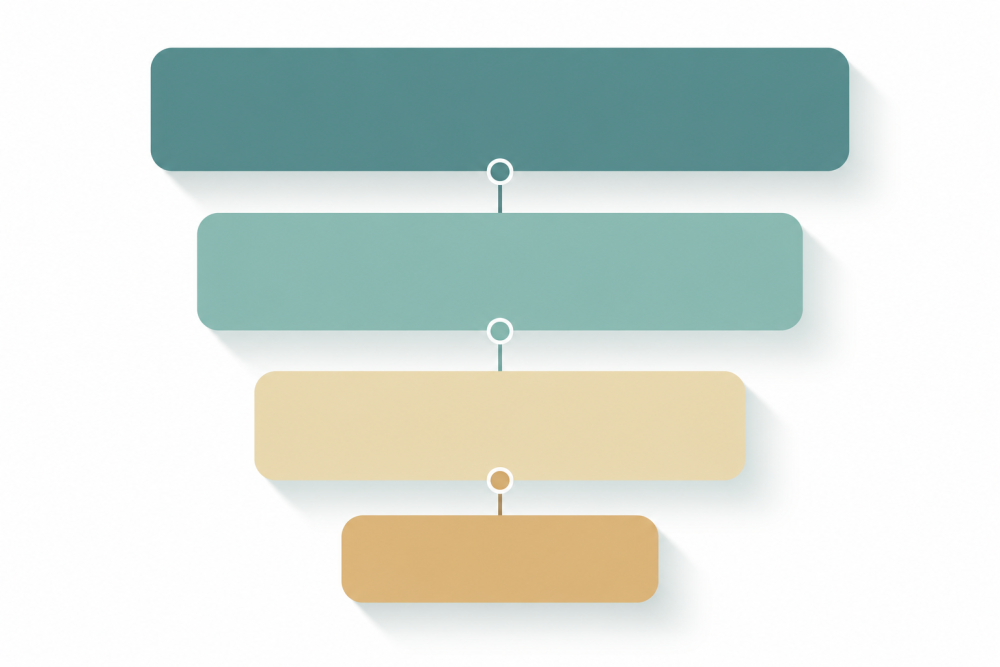
Why one developed reason beats three undeveloped ones
A list of three reasons is what an essay does, and in a minute it works against you: three claims, two transitions, four sentences each, and one sentence spent stating the reason instead of showing it.
One developed reason gives the rater what the score-5 descriptor asks for: a claim, a detail, a clear relationship between them. It also removes the worst failure mode, running out of time inside the third reason.
The score-3 wording is a warning list: repeats itself with no new information, vague, little or no elaboration. If you have two reasons you love, keep the second for the closing sentence, where it costs four words instead of twenty seconds.
Twelve opening sentences that state a position
The first five seconds tell the rater whether your opinion exists. Use these as patterns, not scripts.
My position is that the rule should stay as it is.I would let people choose their own hours.On balance, the cost is worth paying.I am in favour, though not for the usual reason.I would not ban it; I would limit it.If I had to decide today, I would say no.The short answer is yes, with one condition.I would rather lose speed than lose the people.For me the deciding factor is time, not money.I can see both sides, but I would back the staff.This is a management problem, not a policy problem.I would keep the option open and review it.
Each one puts the position first. What they avoid is the three-second runway: Well, that is an interesting question costs a tenth of your answer and scores nothing.
When no opinion arrives: two default positions
The preparation window exists for the moment when the topic is dull, unfamiliar, or both. Choose a frame and answer from inside it.
The efficiency frame asks what keeps the work moving: The practical case is that it keeps the work moving. The protection frame asks who absorbs the cost: The case against it is that the people who pay never chose it. Pick whichever you can illustrate in ten seconds.
A conditional answer counts too: I would support it if the team agreed on one fixed hour is a position, not a dodge, as long as the reason and the scene follow. A minute of both sides reads as no opinion at all.
Three sample questions with timed answers
The prompts below are practice material written for this guide, not live test items. Each model answer is marked at the four clock points, so you can hear the shape change.
Question 1. Some companies let employees choose their own working hours. What is your opinion of flexible start times?
0–5 seconds I would support flexible start times, if one core hour is fixed for everyone.
5–20 seconds The fixed part of the day is where the value is; the rest is individual work that needs no audience.
20–45 seconds Parents could start at seven, the support engineer at noon, and only the morning meeting would need moving.
45–60 seconds So I would fix one hour, free the rest, and judge the arrangement on deadlines.
Question 2. Some managers expect staff to answer work messages in the evening. What is your opinion?
0–5 seconds I would draw one line: urgent messages yes, ordinary ones the next morning.
5–20 seconds A rule nobody can follow is worse than no rule at all.
20–45 seconds A support team on call is a real exception; a question about a colour can wait until nine.
45–60 seconds So: narrow exceptions, and no general expectation of an evening reply.
Question 3. Should the best performer on a team always be promoted to manager?
0–5 seconds No, and promoting on performance alone is how companies lose good specialists.
5–20 seconds Managing is a different job from doing the work well.
20–45 seconds A strong analyst who becomes a manager spends a month doing both jobs and has no time left for the work she was good at.
45–60 seconds So I would test the job first, with one project and one review.
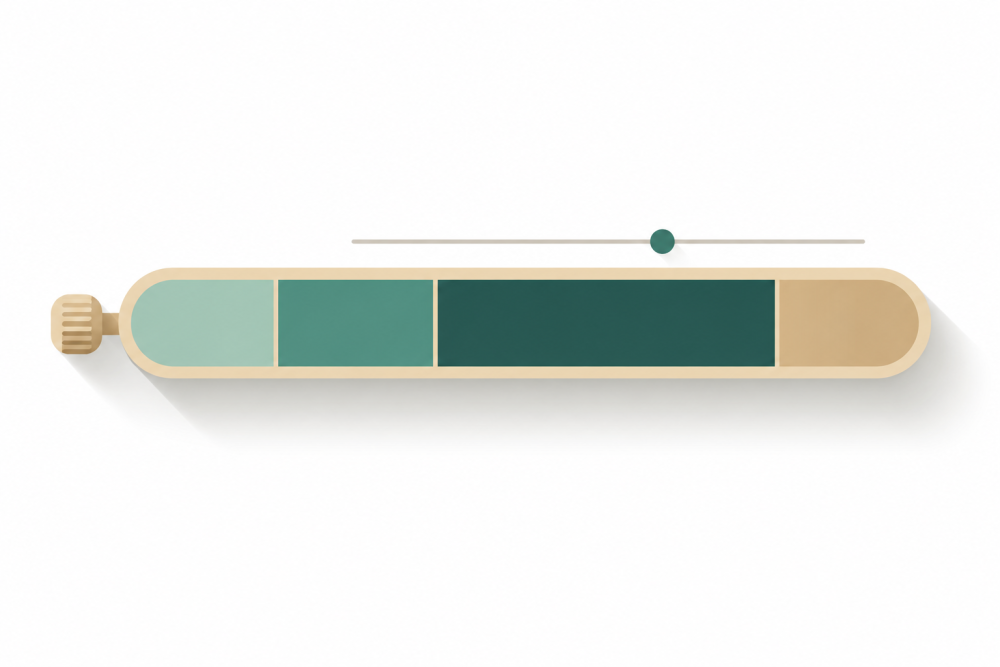
Where TOEIC Speaking and Writing Practice Tests fit into the drill
Knowing the template does not survive contact with a microphone. The drill is short and measured.
- Record three answers in one sitting, with a timer that cuts you off at sixty seconds.
- Count the words you fit into the first fifteen seconds, then multiply by four.
- Mark where the example starts. After the fortieth second, the reason is running long.
- Delete the one sentence that adds no information, and record again.
- Repeat the prompt the next day without notes, and compare the two recordings rather than a model answer.
Full speaking sections beat single questions in the last week, because Task 11 arrives after ten other tasks, when your voice is tired.
Structured practice helps here too. HiBay's exam practice runs TOEIC speaking sections that follow the five parts of the test and score a recorded response on five dimensions, so feedback covers delivery and language use, not one impression. Run them in test order, then read the published ETS scoring guide beside your recording; practice tests only help when checked against that standard.
The last five seconds: how to land the answer
An answer that trails off sounds unfinished even when the content was complete. Decide the closer before you speak and treat it as a full stop.
So that is why I would support it.
My answer is no, and the cost to the people who stay is the reason.
On balance, the trade is worth making, and I would make it again.
Say it, then stop. Silence before the beep is neutral; and, you know, that kind of thing is not, because it makes a complete answer sound unfinished. If you have time left, add a detail to the scene rather than a second reason.
Frequently asked questions
How long is TOEIC Speaking Task 11?
Task 11 gives you 45 seconds to prepare and 60 seconds to speak. It closes an eleven-question Speaking test that runs about 20 minutes, and those 60 seconds are its longest single turn. ETS materials agree on the speaking time; only the preparation window varies, at 45 seconds in the handbook and sample test and 30 seconds on one task-format page.
Can I take notes before the TOEIC opinion task?
Yes. The ETS examinee handbook states that note taking is allowed during the test administration and that scratch paper is provided, although you may not bring your own. Use the preparation window to write four cues, one per block: the stance, the reason, the first image of your example, and the closer.